
KEY TAKEAWAY
The implementation of the KPA 2025 Tariff Book necessitates an immediate audit of landed-cost models and a strategic review of corridor-choice competitiveness for regional exporters and forwarders.
The implementation of the KPA 2025 Tariff Book necessitates an immediate audit of landed-cost models and a strategic review of corridor-choice competitiveness for regional exporters and forwarders.
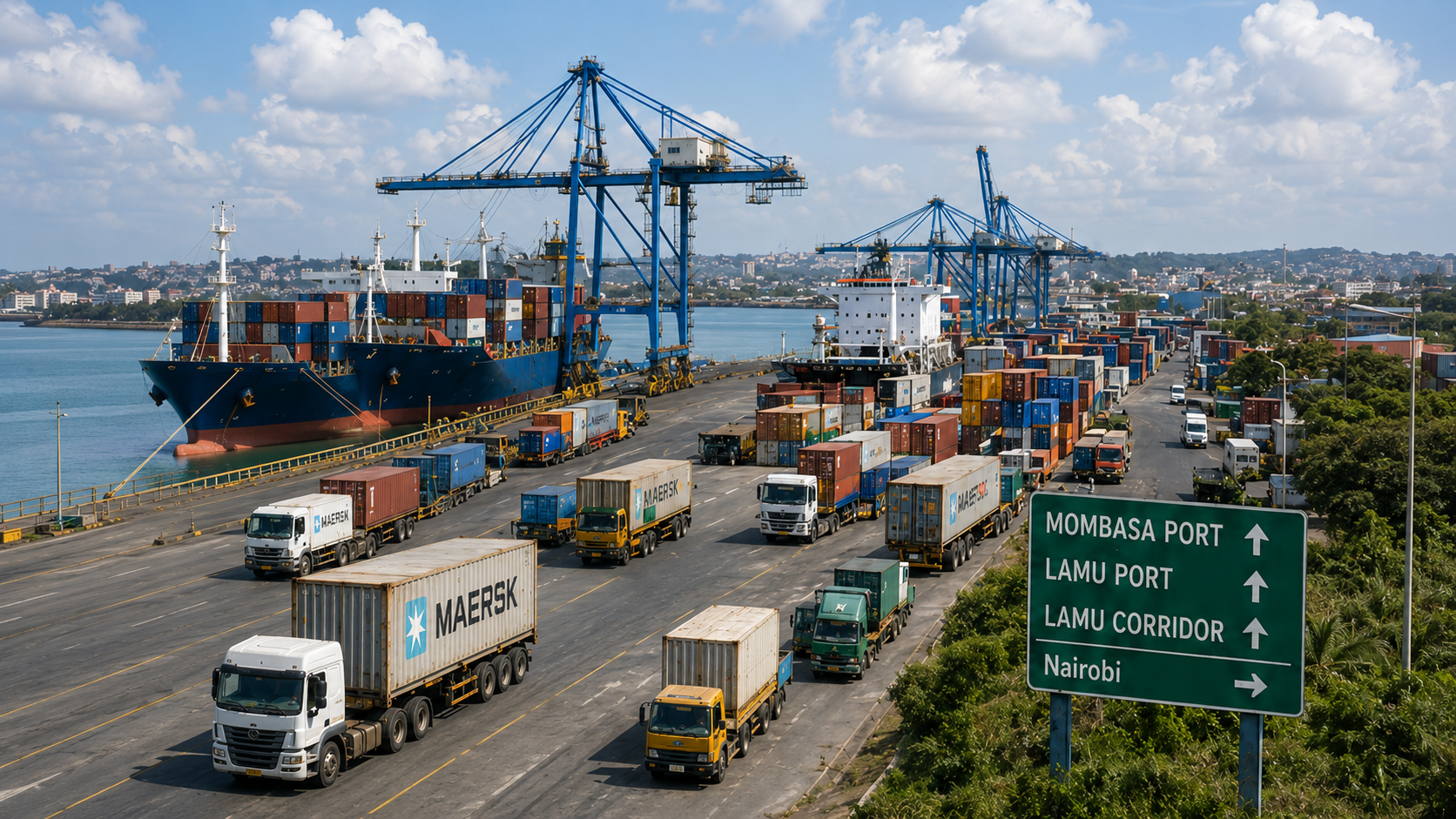
The Kenya Ports Authority has officially commenced the rollout of its 2025 Tariff Book at the ports of Mombasa and Lamu following the resolution of recent legal challenges. This shift introduces significant cost adjustments, including sharp increases in port-pass charges and new annual licensing fees for clearing agents. For stakeholders across the Northern Corridor, this development marks a critical juncture in managing operational margins and regional transit reliability.
400%
Increase in truck port-pass charges
Sh38,772
New annual clearing agent licence fee
22 Dec 2025
Tariff implementation start date
Northern Corridor
Primary affected trade route
The tariff update is a corridor-competitiveness event that extends beyond simple accounting adjustments.
Why it matters
Failure to reconcile these changes could lead to margin erosion and contractual disputes.
Long-form analysis
The implementation of the 2025 Tariff Book follows a period of intense legal scrutiny, specifically regarding the Container Freight Station Association's challenge in the High Court. The KPA maintains that the new structure is the result of extensive stakeholder engagement and necessary government approvals.
While the legal hurdles have been cleared, the commercial reality remains complex. The transition from rates that have been largely static since 2012 to a new, higher-cost environment requires a disciplined approach to cost management.
The Northern Corridor's value proposition relies heavily on total delivered cost and reliability. When port fees rise without a corresponding increase in service efficiency, the risk of route diversion to competitors like Dar es Salaam increases significantly.
Exporters and importers must now weigh these new costs against the backdrop of existing challenges, such as congestion and vessel queues. The decision to absorb or pass through these costs will be a defining factor in maintaining market share for regional firms.
Firms should prioritize the creation of a 'tariff evidence file,' consolidating all invoices and official notices to ensure accurate cost attribution. This data is essential for both internal margin analysis and external contract negotiations.
Furthermore, collective engagement through industry bodies like KIFWA and the KTA is recommended. Isolated complaints are less effective than unified, data-backed representations that highlight the impact of these charges on total corridor competitiveness.
TFN provides the tools necessary to turn these regulatory changes into actionable business intelligence.