
KEY TAKEAWAY
Exporters must abandon generic port-wide planning in favor of terminal-specific routing and corridor-diversification strategies to mitigate structural congestion risks.
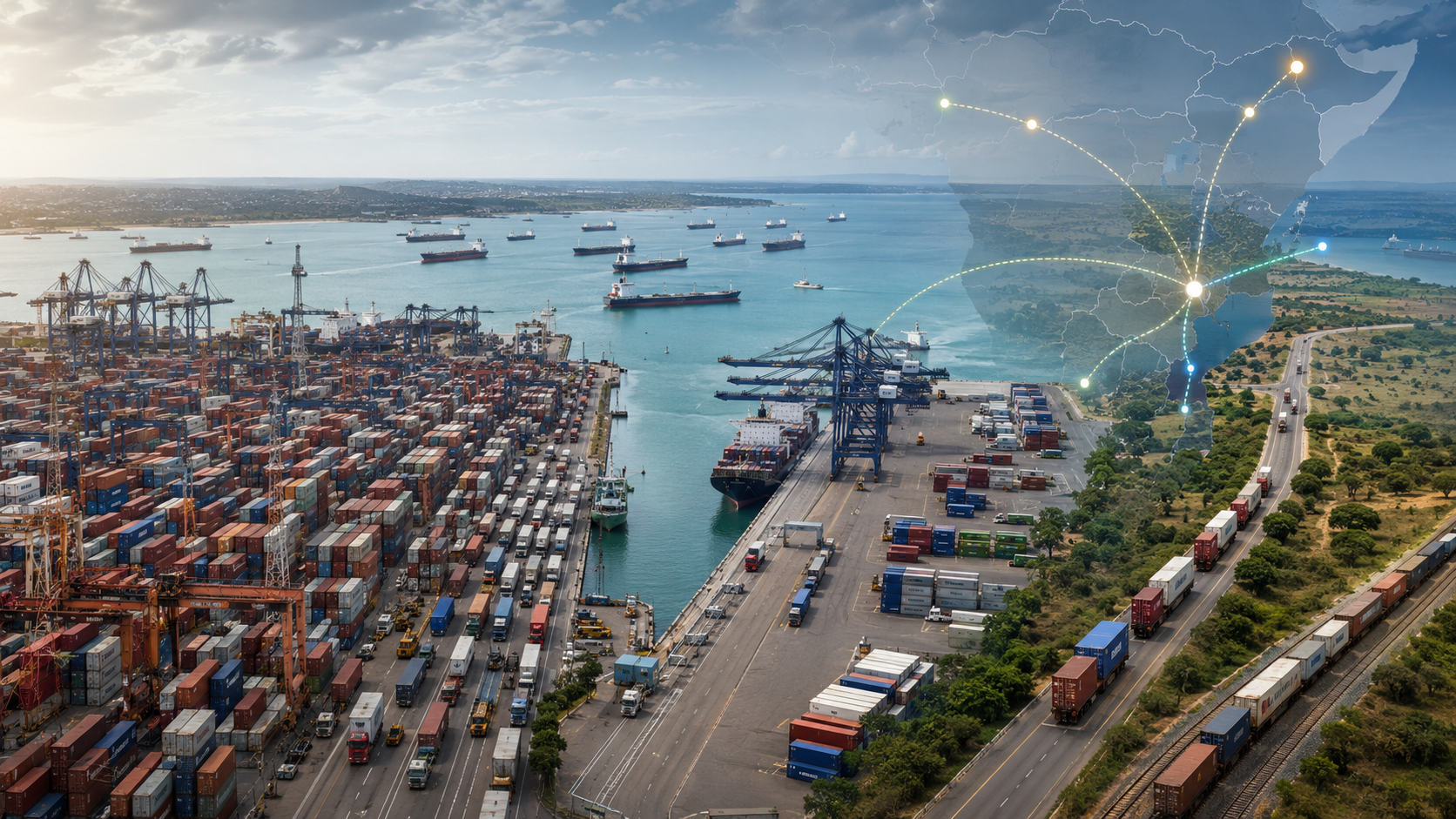
Exporters must abandon generic port-wide planning in favor of terminal-specific routing and corridor-diversification strategies to mitigate structural congestion risks.
Recent container intelligence indicates that Mombasa congestion is no longer a temporary disruption but a permanent feature of East African trade. With 94.12% of vessels facing delays, the crisis has shifted from a general port-pressure issue to a complex challenge of terminal-level performance and corridor realignment.
94.12%
Vessels facing delays at Mombasa
39.91 hrs
KPA Terminal average waiting time
16.95 hrs
Kipevu Terminal average waiting time
122%
Mombasa-Kampala transport fee surge
Terminal-level visibility exposes performance gaps that aggregate data obscures.
Why it matters
Congestion is driving a fundamental shift in regional gateway reliance.
Long-form analysis
The commercial implication of current congestion data is direct: exporters and forwarders can no longer manage Mombasa as one undifferentiated node. Port-wide averages hide the performance gap between terminals, carriers, and specific cargo windows.
Sophisticated supply chain managers must now treat Mombasa congestion as a 12-24 month planning assumption. This requires integrating terminal-level dwell data and vessel cut-off discipline into the core operating model.
This is a trade facilitation issue because the bottleneck affects predictability, documentation timing, and regional route choice. A delayed container triggers missed vessel cut-offs, inventory gaps, and reputational damage.
For landlocked countries, Mombasa delays create a rational basis to diversify toward Dar es Salaam and Tanga. These routes are no longer just fallback options; they are becoming bargaining chips for large cargo owners.
The shift required is from reactive clearing to predictive corridor management. Exporters cannot wait for congestion to manifest as a missed deadline, and forwarders must stop hiding behind generic port-delay explanations.
Large cargo owners should compare total delivered cost and reliability across all regional gateways. Corridor loyalty is now conditional on measurable performance rather than historical geographic preference.