
Development Agencies
Build trade support that is practical to deliver and strong enough to last
Development Agencies helps technical assistance, implementation partners, and SME support programs understand how TFN supports practical delivery, diagnostics, toolkits, capacity building, and sustainability beyond short-cycle project output.
The page answers four practical questions: how TFN supports delivery, why TFN is stronger than a short-cycle content vendor, how programs become more measurable and sustainable, and which delivery models TFN can support.

This page is for actors who need delivery architecture, not just a list of services.
Who this page is for
Development agencies
Institutions looking for practical delivery support, stronger implementation logic, and more durable trade outcomes.
Donor-funded programs
Programs that need better SME targeting, better tool adoption, and stronger continuity after grant close.
Implementing partners
Actors that need a technical partner able to turn strategy into usable tools, pathways, and delivery assets.
SME support programs
Programs seeking clearer readiness pathways, better training structure, and stronger field usability.
Business membership organizations
Organizations that need practical trade support assets for member-facing implementation.
Technical assistance providers
Partners looking for structured delivery models, practical trade content, and stronger implementation architecture.
Trade and enterprise support initiatives
Programs that want diagnostics, toolkits, cohorts, and measurable pathways instead of generic content.

This is the strategic hook: where programs weaken in practice and why better delivery architecture matters.
The delivery problem this page solves
How TFN helps agencies deliver better
Diagnostics and SME targeting
Use readiness logic and segmentation to direct support more precisely and avoid weak participant fit.
Practical toolkits
Deploy materials that SMEs and support actors can actually use in real implementation environments.
Capacity-building packs
Turn technical content into clearer training structures, guided learning assets, and usable packs.
Implementation-focused content
Build content that helps users act, not just understand.
Simplified explainers
Translate complex trade, compliance, and readiness issues into plain-language support materials.
Cohort-based delivery
Use structured cohorts to improve uptake, sequencing, and support discipline across target groups.
Dashboard and visibility support
Make delivery progress, usage, and readiness movement visible through clearer program-facing views.
Post-project continuity support
Extend the useful life of tools, hubs, and systems after the initial funding cycle ends.
Field-to-program intelligence
Translate what is happening on the ground into better targeting, content design, and delivery adjustment.
Delivery models
This section matters because agencies often care more about delivery architecture than a generic service list.
What TFN can help agencies build
Why TFN is a strong implementation partner

Monitoring and reporting should make delivery more visible, more explainable, and easier to improve over time.
Monitoring, learning, and reporting
Sustainability and post-project continuity
This is a major differentiator. TFN helps protect value after a project closes by building refresh, continuation, and stewardship logic into the delivery model.
Case examples
Donor-funded SME upgrading
A program uses diagnostics, sequencing, and practical support tools to strengthen how SMEs move through export readiness.
Certification-readiness support program
A targeted intervention supports vetted firms that need proof pathways, audit preparation, and stronger compliance discipline.
Technical assistance program with diagnostics and cohorts
A delivery model combines targeting, cohort-based support, and measurable readiness movement instead of generic training.
Digital trade support toolkit for implementation
A practical resource hub stays useful after rollout because it is designed for refresh, continuity, and real field use.
FAQ
Build delivery models that stay useful after the project document closes
Use Development Agencies to understand how TFN can support diagnostics, tool deployment, cohorts, implementation support, reporting logic, and continuity.
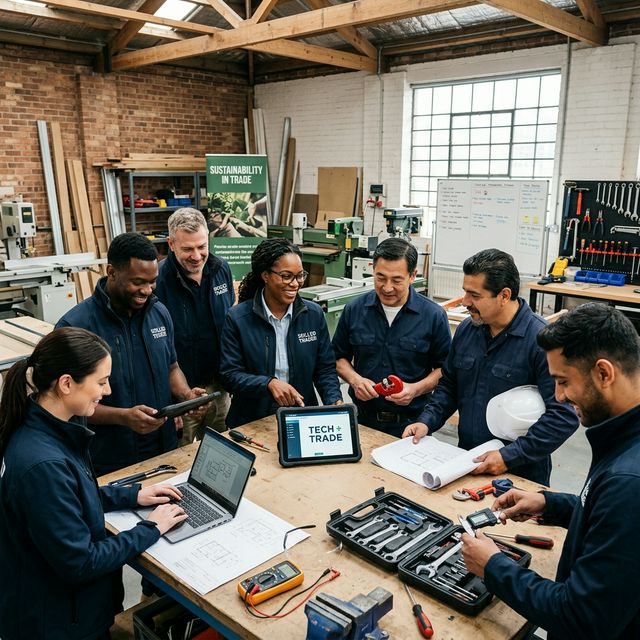
The strongest programs do more than deliver content. They create adoption, visibility, and continuation logic that survives beyond the project cycle.